Prostate Health
Prostate Health Supplements Compared by Ingredient
Prostate supplements look different on the shelf and nearly identical on the label. Strip away the branding and most of them are built from the same eight or nine ingredients, arranged in different amounts. So compare the ingredients, not the bottles. Some of those ingredients have held up in placebo-controlled trials. The most famous one has not.
Quick answer
- Which prostate supplement ingredient has the best evidence?
- Beta-sitosterol and pygeum have the strongest placebo-controlled records for urinary symptoms, according to Cochrane reviews by Wilt and colleagues. Neither shrinks the prostate.
- Does saw palmetto work?
- Not in the best trials. The 2023 Cochrane review of saw palmetto found little to no effect on urinary symptoms compared with placebo.
- How should you compare two prostate supplements?
- Check which evidence-backed ingredients each one contains, and whether the label discloses a dose in milligrams you can hold against the trial dose.
Why compare prostate supplements by ingredient?
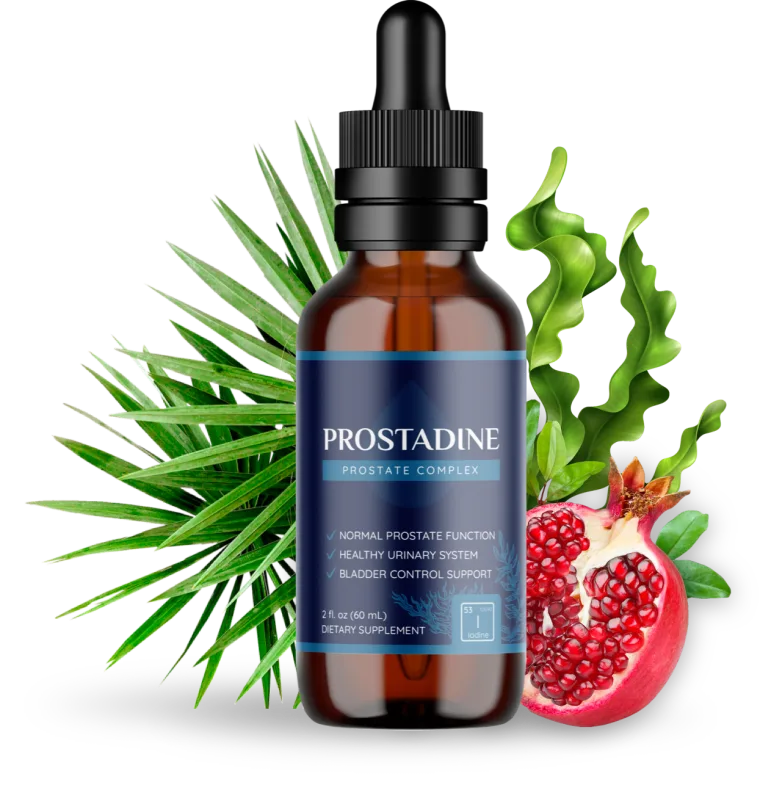
Comparing prostate supplements by ingredient is the only comparison that tells you anything, because the finished products almost never have their own clinical trials. That includes Prostadine. The manufacturer publishes no trial of the complete formula, and the same is true for most of its capsule rivals. What does exist is research on the individual ingredients. If a formula contains an ingredient that worked in trials, at something close to the dose that worked, that is a reason to take it seriously. If it doesn't, the marketing is carrying the weight.
The ingredient scorecard
The table below ranks the ingredients that show up most often in prostate formulas by the quality of their human evidence for urinary symptoms. Each result comes from a named review or trial, so you can look it up yourself.
| Ingredient | Best human evidence | What it found | Our read |
|---|---|---|---|
| Beta-sitosterol | Cochrane review, Wilt and colleagues, 1999: 4 trials, 519 men | Symptom score improved 4.9 IPSS points, peak flow up 3.91 mL/s; prostate size unchanged | Strong, at about 60 mg a day |
| Pygeum africanum | Cochrane review, Wilt and colleagues, 2002: 18 trials, 1,562 men | Men were more than twice as likely to report overall improvement; nighttime urination down 19 percent | Promising, older and smaller trials |
| Rye grass pollen (Cernilton) | Systematic review, MacDonald and colleagues, BJU International, 2000: 4 trials, 444 men | Modest symptom improvement, about 0.4 fewer bathroom trips a night; no change in flow or prostate size | Modest, rarely sold in US blends |
| Stinging nettle root | Safarinejad, 2005: 620 men, 6 months | IPSS fell from 19.8 to 11.8 versus 19.2 to 17.7 on placebo | Encouraging, but one main trial |
| Pumpkin seed | GRANU trial, Vahlensieck and colleagues, 2015: 1,431 men, 12 months | Whole seed: 58.5 percent responders versus 47.3 percent on placebo; the capsule extract did not beat placebo | Mixed, depends on the form |
| Saw palmetto | Cochrane review, Franco and colleagues, 2023: 27 trials, 4,656 men | Little to no effect on urinary symptoms versus placebo | Weak, despite its fame |
| Lycopene | NCCIH summary of the evidence | Insufficient evidence to support lycopene for preventing or treating BPH | Unproven for symptoms |
| Zinc | NIH Office of Dietary Supplements | An essential mineral with no established role in treating BPH; adult upper limit 40 mg a day | Nutrient, not a treatment |
The ingredients that earned their place
Beta-sitosterol is the ingredient with the cleanest trial record, and the dose is the detail most labels skip. In the Berges trial published in The Lancet in 1995, men took 20 mg three times a day, 60 mg in total, and their symptom scores fell 7.4 points against 2.1 on placebo. We go through those trials in our beta-sitosterol evidence guide. Pygeum, the African plum bark extract, comes close behind. The 2002 Cochrane review by Wilt and colleagues found mild side effects comparable to placebo, but it also flagged that only one of the 18 studies reported how treatment was allocated. So the direction is good. The trials are just old.
Stinging nettle root is the interesting wildcard. The Safarinejad trial is large and the effect is big, which is exactly why one trial is not enough. I would want to see it replicated before I paid extra for a formula built around nettle.
The ingredients that are mostly marketing
Saw palmetto is the biggest name in prostate supplements and the weakest performer in the best trials. The 2023 Cochrane update led by Franco pooled 27 trials and found little to no benefit for urinary symptoms. Our saw palmetto research breakdown covers why the early positive studies faded once trials got larger and better blinded. Saw palmetto is safe, and it is on almost every label, Prostadine's included. Neither of those facts means it works.
Lycopene and zinc belong on the second tier for different reasons. NCCIH, the federal center that reviews complementary health approaches, says the evidence is insufficient to support lycopene for BPH. Zinc is a real nutrient, but the NIH Office of Dietary Supplements sets the adult upper limit at 40 mg a day, so stacking a zinc-heavy prostate formula on top of a multivitamin can quietly push you past it.
Where Prostadine lands on this scorecard
Prostadine scores low on this ingredient scorecard, and saying otherwise would be dishonest. Its nine ingredients are four seaweeds, saw palmetto, pomegranate, iodine, shilajit and neem, as we list in what is in each Prostadine drop. Of the ingredients in the table, it contains only saw palmetto, which is the weakest one. Beta-sitosterol is not listed. The manufacturer does not publish per-ingredient amounts for most of the blend. Prostadine's real differences are practical ones: it is a liquid instead of a capsule, and the iodine from its seaweeds matters if you have a thyroid condition, as we cover in Prostadine side effects and interactions.
If you want a formula built on pygeum and beta-sitosterol, our Prostadine vs Prosvent comparison and the full prostate supplement comparison hub set the products side by side.

A five-point label check before you buy
- Named evidence-backed ingredients: beta-sitosterol, pygeum or nettle root, not just saw palmetto.
- Milligrams per ingredient: a proprietary blend hides how close you get to the trial dose.
- The trial dose: for beta-sitosterol, about 60 mg a day.
- Zinc and iodine totals: add them to whatever else you take.
- Refund terms you have read: most trials ran for months, not weeks.
Common questions
Can any supplement shrink an enlarged prostate?
None of the reviews in this table found that. The Cochrane reviews of beta-sitosterol and saw palmetto, and the rye grass pollen review, found no reduction in prostate size. Prescription drugs have that evidence. These supplements do not.
Is a longer ingredient list better?
Usually not. A capsule only holds so much, so thirty ingredients typically means small amounts of each. One ingredient at its trial dose beats ten at undisclosed doses.
How long should I try a prostate supplement?
The trials above ran from about 3 months to 12 months, so a two-week verdict tells you little. Our guide to realistic supplement timelines goes through the expectations.
Should I see a doctor first?
Yes. Urinary symptoms overlap with infections, bladder problems and prostate cancer, and a PSA test and exam rule those out. Blood in the urine, pain, or being unable to urinate need a doctor now. If you mainly wake up at night, read our guide to nighttime urination first.
The bottom line
Judge prostate supplements by their ingredients and doses. Beta-sitosterol and pygeum have the best trial support, nettle root and pumpkin seed are promising but thinner, and saw palmetto disappoints despite being on almost every label. A good product names the right ingredients in milligrams, and a weak one hides behind a blend. None of them replaces a checkup with your doctor.
Nathan Cole
Nathan writes about men's health and supplements, and every article is reviewed for medical accuracy by clinical pharmacist Dr. Marcus Reed, PharmD.