Prostate Health
Saw Palmetto for the Prostate: What Research Shows

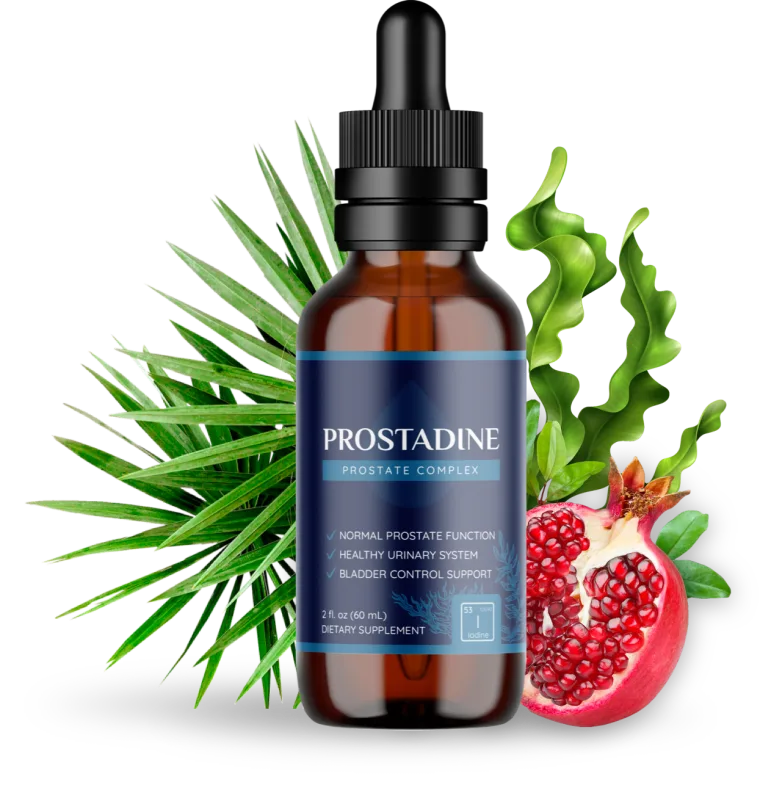
Saw palmetto is the most widely taken herb for prostate symptoms, and the best modern research says it does not work better than placebo. That is an uncomfortable finding, because the berry extract has been the default “prostate herb” for decades and sits in almost every prostate supplement sold today, including Prostadine. This guide walks through the three studies that settled the question, what saw palmetto does do well, and how to weigh all of this if you are considering a supplement that contains it.
Quick answer
- Does saw palmetto improve urinary symptoms?
- The strongest evidence says no. A 2023 Cochrane review pooling 27 trials in 4,656 men found little to no difference from placebo, rated as high-certainty evidence.
- Is saw palmetto safe?
- For most men, yes. Across the major trials, side effects occurred at roughly the same rate as placebo, even at three times the standard dose.
- Should I still see a doctor about urinary symptoms?
- Yes. Urinary symptoms can signal conditions no supplement addresses, and prescription treatments for an enlarged prostate have real trial support.
What saw palmetto is and why it ended up in every prostate formula
Saw palmetto is an extract of the berries of Serenoa repens, a small palm native to the southeastern United States, and its reputation rests on long traditional use plus early studies that looked promising. The proposed mechanism sounds plausible: supporters suggest the extract interferes with the hormonal pathway that drives prostate growth, a bit like a gentler version of prescription drugs in the finasteride family. Plausible is not proven, though. Mechanism stories are cheap. What matters is whether men who take saw palmetto actually urinate more easily than men who take an identical-looking placebo, and that is exactly what the large trials were built to measure.
The three studies that settled the question
Three large, high-quality investigations, the STEP trial, the CAMUS trial, and the 2023 Cochrane review, all reached the same conclusion: saw palmetto is no better than placebo for urinary symptoms caused by an enlarged prostate. Here is what each one covered.
| Study | Who was tested | Result |
|---|---|---|
| STEP trial (New England Journal of Medicine, 2006) | 225 men over age 49 with moderate to severe symptoms, treated for one year | No difference from placebo on symptom scores, urine flow, residual volume or prostate size |
| CAMUS trial (JAMA, 2011) | 369 men, dose escalated from 320 mg up to 960 mg daily over 72 weeks | No benefit at any dose; symptom scores ended slightly in favor of placebo |
| Cochrane review (Franco and colleagues, 2023) | 27 randomized trials, 4,656 men pooled | Little to no difference in urinary symptoms or quality of life, high-certainty evidence |
The details are worth a moment. The STEP trial, led by Stephen Bent and published in the New England Journal of Medicine in 2006, was designed specifically to give saw palmetto a fair test, and the symptom curves of the two groups tracked each other almost exactly for a full year. Skeptics of that result argued the dose was simply too low. So the CAMUS trial, published in JAMA in 2011, answered them directly by tripling it, walking 369 men up from the standard 320 mg per day to 960 mg over 72 weeks. Nothing changed. If anything, the placebo group ended slightly ahead. The 2023 Cochrane review by Franco and colleagues then pooled 27 trials and put a number on it: the average difference from placebo was less than one point on a 35-point symptom scale, far too small for a man to feel.
Why some men swear it works anyway
Men who take saw palmetto often do feel better, and the trial data explains why without the herb deserving the credit. In the STEP trial both groups improved over the year, the placebo group right alongside the treatment group. Urinary symptoms fluctuate on their own, and the act of taking something daily for a worrying problem is itself powerfully reassuring. This is precisely why placebo-controlled trials exist. It is also worth knowing that the encouraging results came mostly from the smaller, shorter studies of earlier decades; when researchers ran bigger and longer trials with tighter methods, the apparent effect evaporated. That pattern, positive small studies followed by negative large ones, is one of the most familiar stories in supplement research.
Safety, the one test saw palmetto passes cleanly
Saw palmetto is well tolerated, and on this point the trial record is genuinely reassuring. The CAMUS investigators found no clearly attributable adverse effects even at triple the standard dose, and the 2023 Cochrane review concluded that adverse events were probably no different from placebo. So the honest summary is an unusual one: saw palmetto is a safe ingredient without demonstrated benefit. Two cautions still apply. Tell your doctor about any supplement you take, and never let one delay a checkup. Symptoms like blood in the urine, pain, or suddenly being unable to urinate need a urologist, not a berry extract.

What this means if you are looking at Prostadine
Prostadine includes saw palmetto as one of its nine ingredients, and given the trial record above, saw palmetto should not be the reason you buy it or any other prostate supplement. If you are evaluating the formula, judge it on the rest of the blend, which we break down ingredient by ingredient in our Prostadine ingredients guide, and read the side effects and interactions guide first if you have a thyroid condition, since the formula is iodine-heavy. Keep expectations grounded in time as well; our guide to how long Prostadine takes to work explains what realistic timelines look like. And do not overlook the unglamorous lever with real evidence behind it: what you eat. Our rundown of the worst foods for prostate health is a practical place to start.
Weighing Prostadine as a whole, not just the saw palmetto? Read our complete verdict on the formula, the evidence and the guarantee before you decide.
Frequently asked questions
Does saw palmetto shrink an enlarged prostate?
No trial has shown that it does. The STEP trial measured prostate size directly over one year and found no difference between saw palmetto and placebo, and the 2023 Cochrane review found little to no effect on urinary symptoms across 27 trials.
Does a higher dose of saw palmetto work better?
No. The CAMUS trial tested exactly this, escalating men from 320 mg to 960 mg daily over 72 weeks, and found no benefit over placebo at any dose.
Is saw palmetto safe to take every day?
The major trials found side effects at about the same rate as placebo, even at triple the usual dose, so saw palmetto is considered well tolerated for most men. Tell your doctor you are taking it, especially before surgery or alongside other medications.
Should I take a supplement or see a doctor for urinary symptoms?
See a doctor first. Urinary symptoms can be caused by conditions that need proper diagnosis, and prescription BPH treatments have strong trial support. A supplement, Prostadine included, is at most an addition to medical care, never a replacement for it.
Related reading
Nathan Cole
Nathan writes about men's health and supplements, and every article is reviewed for medical accuracy by clinical pharmacist Dr. Marcus Reed, PharmD.