Prostate Health
Beta-Sitosterol and BPH: What the Evidence Says
Beta-sitosterol has the strongest randomized-trial record of any plant compound sold for prostate symptoms, and it is not printed on the Prostadine label. That gap is most of this article. Below: the trials, the exact dose they used, why so many products never reach it, and how much credit a seaweed formula can honestly claim.
Quick answer
- Does beta-sitosterol improve urinary symptoms?
- The evidence says yes, modestly. The 1999 Cochrane review by Wilt and colleagues pooled four placebo-controlled trials in 519 men and found symptom scores improved by 4.9 IPSS points and peak urine flow by 3.91 mL/s.
- Does beta-sitosterol shrink an enlarged prostate?
- No. The same Cochrane review found no significant reduction in prostate size, so beta-sitosterol eases symptoms without changing the gland itself.
- Is beta-sitosterol in Prostadine?
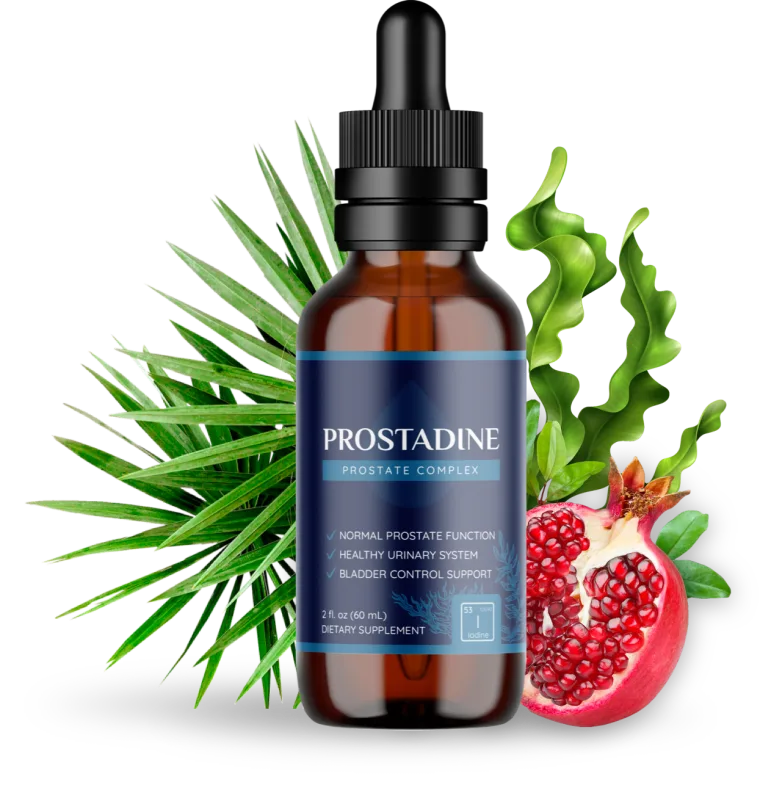
- Not as a listed ingredient. Prostadine's nine ingredients do not include beta-sitosterol; the link runs indirectly through wakame and other brown seaweeds that naturally contain plant sterols in undisclosed amounts.
What beta-sitosterol actually is
Beta-sitosterol is a plant sterol, a molecule shaped almost exactly like cholesterol but built by plants instead of animals. You already eat it: it turns up in vegetable oils, nuts, seeds, avocados and most green plants. Supplement makers isolate and concentrate it, usually from pine or soy. The proposed mechanism for the prostate involves inflammation and hormone signaling in prostate tissue, but the mechanism is not the interesting part here. The trials are.
The trials that built its reputation
Beta-sitosterol was tested properly, in placebo-controlled trials, and it beat placebo on the outcomes men care about. That is rarer in this category than the marketing suggests. Three pieces of research carry most of the weight.
| Study | Design | Result |
|---|---|---|
| Berges and colleagues, The Lancet, 1995 | 200 men with symptomatic BPH, 20 mg three times daily for 6 months, double blind and placebo controlled | IPSS fell 7.4 points versus 2.1 on placebo; peak urine flow rose from 9.9 to 15.2 mL/s |
| Berges and colleagues, BJU International, 2000 | Open 18-month follow-up of that trial, 117 men eligible for analysis | Improvements held in the men who kept taking it, and slipped in the men who stopped |
| Wilt and colleagues, Cochrane review, 1999 | 4 randomized placebo-controlled trials, 519 men, 4 to 26 weeks | IPSS improved 4.9 points, peak flow 3.91 mL/s, residual volume fell 28.62 mL; prostate size unchanged |
A 4.9-point drop on the 35-point IPSS scale is a real, noticeable change, roughly the difference between getting up three times a night and getting up once. Compare that with saw palmetto, where the 2023 Cochrane review of 27 trials in 4,656 men found essentially nothing, and the contrast is stark. The most famous prostate herb fails its tests. The one almost nobody markets by name passes them.
Two caveats, raised by the Cochrane reviewers themselves. The trials were short, so long-term effectiveness remains unknown, and none showed the prostate getting smaller. Beta-sitosterol manages symptoms, it does not treat the enlargement.
The dose is where most products fail
The trials that worked used 60 mg of beta-sitosterol per day, and most supplements never come close. Berges and colleagues gave 20 mg three times daily for six months, so 60 mg is the number to hold in your head at the label. A 2023 review in the journal Plants by But and colleagues measured phytosterol content across dietary supplements and found it ranged from 0.015 percent to 7.511 percent of the product. A follow-up analysis by the same group in Cureus in 2024 chemically tested five commercial beta-sitosterol supplements and found declared content did not match measured content: one product labeled 25 mg contained 10.67 mg.
So before you buy anything sold on a beta-sitosterol claim, check these four things:
- A named amount in milligrams, not a proprietary blend that hides the split between ingredients.
- At least 60 mg per day at the serving size on the bottle, which is the trial dose.
- Third-party testing, given that the Cureus analysis found label claims and lab results disagreeing.
- A form you will actually take daily, since the 18-month follow-up showed benefits fade once men stop.
Where Prostadine fits, honestly
Prostadine does not list beta-sitosterol as an ingredient, and any benefit it claims through that route is indirect. The nine ingredients on the label are four seaweeds, saw palmetto, pomegranate extract, iodine, shilajit and neem. Wakame and other brown seaweeds do naturally contain plant sterols, so beta-sitosterol is plausibly present in trace amounts. Plausibly present is not 60 milligrams. The manufacturer publishes no per-ingredient quantities, so the dose cannot be checked against the Berges trial, and we will not hand a formula credit for research it never ran. If beta-sitosterol is what you are shopping for, a standalone product with a stated milligram figure is the more rational buy, and our prostate supplement comparison shows how the popular blends stack up on disclosure. The same disclosure question drives our Prostadine vs ProstaGenix breakdown, and the format argument, drops against capsules, is covered in Prostadine vs VitalFlow.
Safety, and who should skip it
Beta-sitosterol was well tolerated in the trials, and the Cochrane review reported withdrawal rates of 7.8 percent on beta-sitosterol versus 8.0 percent on placebo, which is as close to identical as these numbers get. Reported side effects are mostly digestive: gas, indigestion, appetite changes, occasional nausea. One group should avoid it outright. People with sitosterolemia, a rare inherited disorder in which plant sterols accumulate in the blood, are told to keep plant sterol intake low, and a concentrated supplement works against that. The FDA does not review these products for safety or effectiveness before they reach the shelf. Tell your doctor what you are taking, and read our notes on Prostadine side effects and interactions if you are combining products.
Common questions
How long before beta-sitosterol does anything?
The Berges trial in The Lancet measured its primary endpoint at six months, and reported improvements building over that period rather than appearing in the first week. Plan on months, not days, and see our guide to realistic supplement timelines.
Can I just eat more plant sterols instead?
Not at trial doses. Diet supplies a mix of plant sterols, while the trials used 60 mg of isolated beta-sitosterol specifically. Eating well is worth doing for other reasons, but it is not the same intervention.
Does beta-sitosterol affect a PSA test?
The Cochrane review found no reduction in prostate size and no evidence that beta-sitosterol masks PSA readings the way some prescription drugs can. Tell your doctor before a PSA test anyway, because they read that number against everything you take.
Is it better than a prescription drug?
No, and the trials do not claim that. Prescription treatments for an enlarged prostate have far larger and longer evidence bases. Beta-sitosterol is a modest option for mild to moderate symptoms, not a replacement for medical treatment.
The bottom line
Beta-sitosterol earns a qualified yes, which is more than most supplement ingredients manage. The randomized evidence is real, the effect size is modest but noticeable, the safety record is clean, and the honest limits are that the trials were short and the prostate does not shrink. What you should not do is assume a product delivers it because a seaweed in the formula theoretically contains some. Blood in the urine, pain, or trouble urinating at all are reasons to see a doctor now, not to try another bottle.
Nathan Cole
Nathan writes about men's health and supplements, and every article is reviewed for medical accuracy by clinical pharmacist Dr. Marcus Reed, PharmD.