Prostate Health
The 10 Worst Foods for Prostate Health in 2026 (And What to Eat Instead)
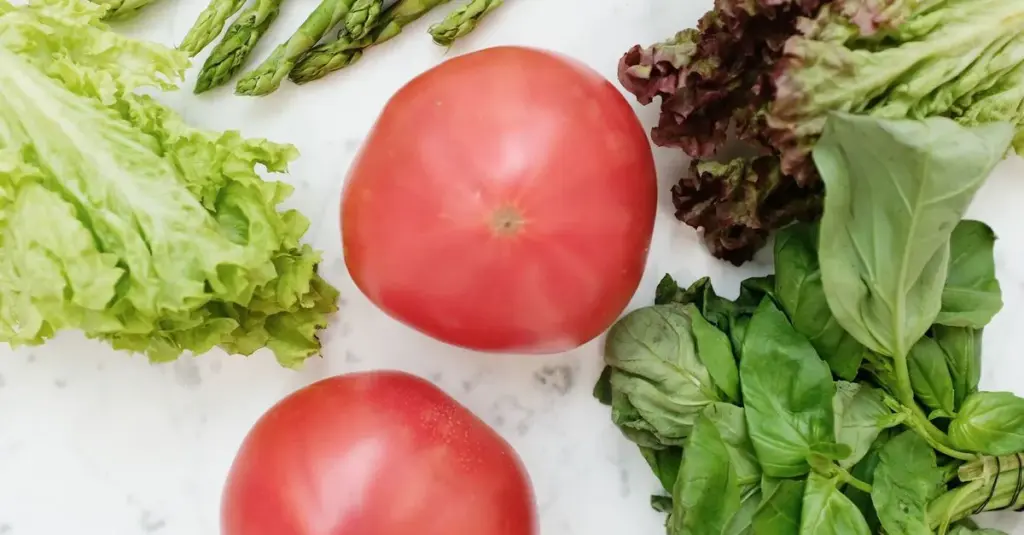
The worst foods for prostate health are red and processed meats, high-fat dairy, fried foods, sugary drinks and excess alcohol. Each one drives the inflammation, insulin spikes and hormonal shifts linked to an enlarging prostate and worse urinary symptoms. The good news: swapping them for a few prostate-friendly foods is one of the simplest things a man can do for his prostate after 40.
Quick answer
- What are the worst foods for your prostate?
- Red meat, processed meat, high-fat dairy, fried food, sugary drinks, refined carbs, excess alcohol, excess caffeine, ultra-processed food and too much salt.
- Why do they matter?
- They raise inflammation and insulin, feed unhealthy weight gain, and irritate the bladder, all of which are tied to benign prostate enlargement (BPH) and urinary symptoms.
- What should you do?
- Cut back on the ten foods below and lean into tomatoes, fatty fish, cruciferous vegetables and green tea instead.
The 10 worst foods for prostate health
These are the foods most consistently linked to prostate trouble in research and by urologists, ranked roughly from the most to the least harmful. For each one, we have added a simple prostate-friendly swap.
-
Red meat (beef and lamb)
Red meat is high in saturated fat and heme iron, both tied to the inflammation and higher prostate cancer risk seen in large diet studies. Frequent red-meat eaters tend to have more prostate problems than men who eat it rarely.
Eat instead: fatty fish, skinless poultry, or plant proteins like beans and lentils.
-
Processed meat (bacon, sausage, deli meat)
Processed meats combine saturated fat with nitrates and preservatives, and they are classified as a group-1 carcinogen. For the prostate, they are arguably worse than fresh red meat and are best kept to an occasional treat.
Eat instead: fresh fish, eggs in moderation, or unprocessed lean meats.
-
High-fat dairy (whole milk, cheese, butter)
A high intake of full-fat dairy and calcium has been associated with a greater risk of prostate enlargement and prostate cancer in several studies. The saturated fat and hormones in dairy are the likely culprits.
Eat instead: smaller amounts of low-fat dairy, or unsweetened plant milks like soy or oat.
-
Fried foods
Deep-fried food is cooked in oils that oxidize at high heat, creating inflammatory compounds and, in some cases, trans fats. Regularly eating fried food is linked to more aggressive prostate disease.
Eat instead: baked, grilled, roasted or air-fried versions of the same foods.
-
Sugary drinks and soda
Sugar-sweetened drinks spike blood sugar and insulin and drive weight gain, and obesity is a well-established risk factor for benign prostate enlargement. Soda offers the prostate nothing useful in return.
Eat instead: water, sparkling water, or unsweetened green tea.
-
Refined carbs and added sugar
White bread, pastries and sugary snacks behave much like soda inside the body, causing insulin surges and low-grade inflammation that the prostate does not like. A high-glycemic diet is associated with worse urinary symptoms.
Eat instead: whole grains such as oats, brown rice and whole-wheat bread.
-
Excess alcohol
Alcohol dehydrates you, irritates the bladder and can worsen the frequency and urgency that come with an enlarged prostate. Heavy drinking also fuels inflammation throughout the body.
Eat instead: keep alcohol to a drink or two at most, and match each drink with water.
-
Too much caffeine
Caffeine is a bladder irritant and a diuretic, so large amounts of coffee or energy drinks can make urinary urgency and nighttime bathroom trips noticeably worse for men with prostate symptoms.
Eat instead: limit coffee to one or two cups, and try herbal or lightly-caffeinated green tea.
-
Ultra-processed foods
Packaged snacks, instant meals and fast food bundle together salt, sugar, refined oils and additives, the whole list of prostate offenders in one package. Diets high in ultra-processed food track with poorer prostate outcomes.
Eat instead: simple whole foods you cook yourself, even basic ones.
-
Too much salt
A very high-sodium diet has been linked to more severe lower-urinary-tract symptoms in men, and it raises blood pressure, which is bad for overall circulation to the prostate and bladder.
Eat instead: season with herbs, garlic, lemon and spices instead of reaching for the salt.
Diet is step one, but many men over 40 add support. If you are also looking at supplements, read our honest Prostadine review and see how it compares to other prostate supplements.
See ProstadineThe best foods for prostate health
Cutting the worst foods matters most, but filling the gap with the right foods helps too. The most prostate-friendly choices are:
- Tomatoes — the top source of lycopene, the antioxidant most consistently linked to prostate health. Cooked tomatoes (sauce, paste) release more lycopene than raw.
- Fatty fish — salmon, sardines and mackerel deliver anti-inflammatory omega-3 fats.
- Cruciferous vegetables — broccoli, cauliflower and Brussels sprouts contain sulforaphane, studied for prostate protection.
- Green tea — its catechins are among the most-researched compounds for prostate health.
- Pumpkin seeds and nuts — a good source of zinc, a mineral the prostate concentrates and needs.
- Berries and citrus in moderation — colorful fruit adds antioxidants without much sugar.
Can diet alone protect your prostate?
Diet is one of the strongest levers you control, but it is not the whole story. Age, genetics, weight and activity all shape prostate health, and no single food prevents or cures prostate disease. A sensible plan is to cut the ten foods above, build meals around the prostate-friendly options, stay active, and see your doctor for screening and any urinary symptoms. Some men also add a targeted supplement on top of a good diet; if that is you, our full Prostadine review and our prostate supplement comparisons break down what the evidence actually supports.
Frequently asked questions
What is the number one food for the prostate?
Tomatoes are the food most often ranked number one for the prostate because they are the richest source of lycopene, an antioxidant linked to prostate health. Cooked tomatoes in sauce or paste are especially good, and fatty fish is a close second.
What is the best drink to reduce prostate problems?
Water is the best everyday drink for the prostate because good hydration supports healthy urine flow. Among other beverages, unsweetened green tea stands out, as its catechins are among the most-studied compounds for prostate health.
What fruit is not good for the prostate?
No whole fruit is genuinely bad for the prostate, but sugary fruit juices and, for some men, very acidic citrus can irritate the bladder and worsen urinary urgency. Eat fruit whole and in moderation rather than drinking large glasses of juice.
Is boiled egg good for the prostate?
Boiled eggs are fine for the prostate in moderation and provide useful protein. A few studies link very high egg and choline intake to prostate risk, so a few eggs a week is a sensible ceiling rather than eating them every day.
Nathan Cole
Nathan writes about men's health and supplements, and every article is reviewed for medical accuracy by clinical pharmacist Dr. Marcus Reed, PharmD.